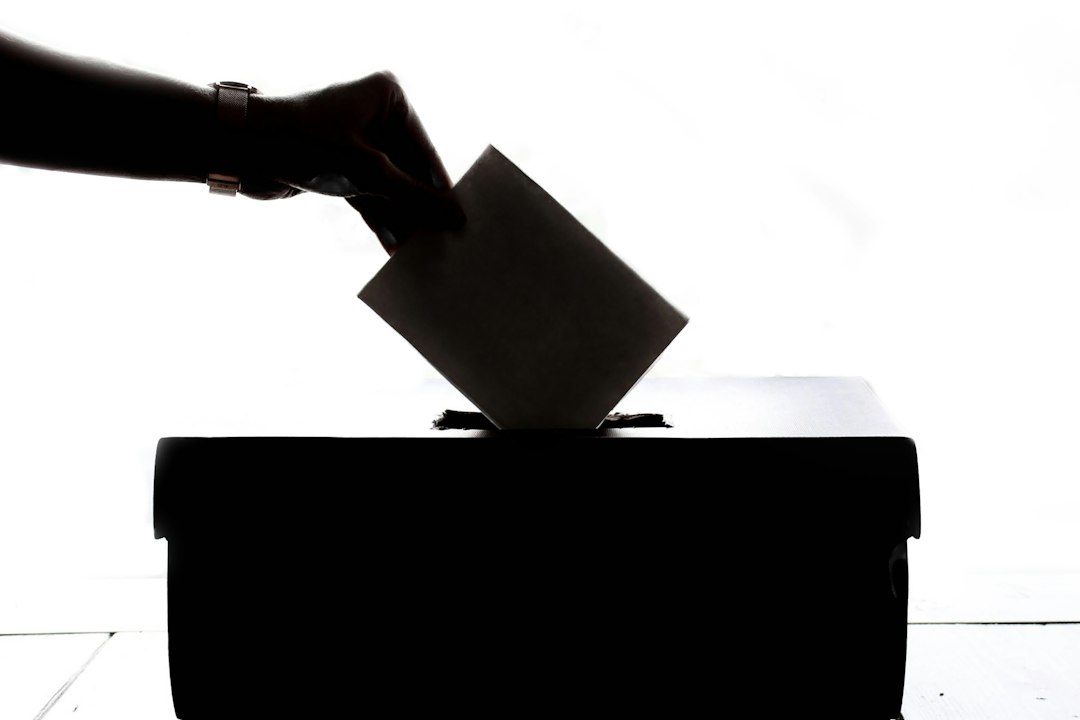
In 12 days, Israel heads to the polls. What does this mean for the real estate market?
On October 27, we will head to the ballot boxes, and the real estate market, too, is waiting to see what happens the day after.
Will a government be formed that can function for the long term? What will its economic policy be? And what will happen to interest rates, taxation, and the marketing of land?
An analysis published this week by the investment firm IBI suggests that the election results could impact the financing environment, the risk premium, and activity within the real estate market.
However, the immediate impact of the elections may well be psychological.
Purchasing an apartment is one of the most significant financial decisions a person makes in their lifetime; during periods of uncertainty, some buyers prefer to wait.
And what will happen after the elections?
A government that presents a clear economic policy and acts consistently could bolster the confidence of both buyers and investors. Conversely, political indecision could prolong this "wait-and-see" period.
It is important to remember: elections do not automatically raise or lower housing prices. Ultimately, it is interest rates, supply, demand, and the broader economic situation that will be the deciding factors.
The real test for the real estate market will begin once the polls close. It is not the elections themselves that will determine the market's direction, but rather the ability of the incoming government to create certainty, advance policy, and strengthen the economy.